
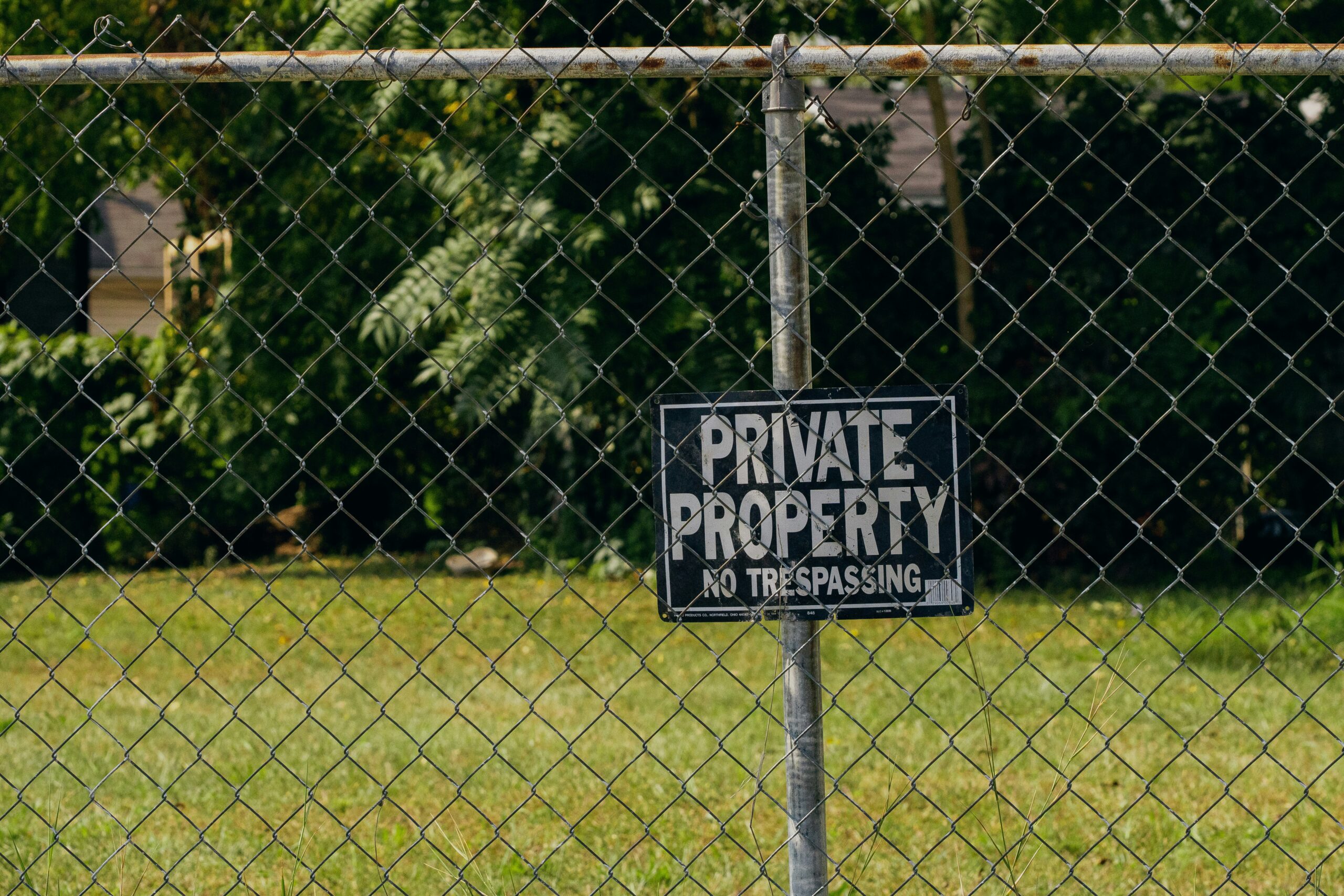
Private nuisance is a key concept in tort law that addresses interference with an individual’s enjoyment and use of their land. Unlike public nuisance, which affects the general public, private nuisance concerns disruptions that impact specific individuals, such as excessive noise, foul odors, or encroachments.
What Constitutes Private Nuisance?
Under Malaysian law, private nuisance arises when an unreasonable interference affects a person’s use or enjoyment of their property or causes damage. This interference must be substantial, not a mere inconvenience. While ongoing disturbances commonly constitute nuisance, even a single act may qualify if its impact is severe enough.
Common examples include:
- Loss of enjoyment – Excessive noise from neighbours or construction, unpleasant industrial odours.
- Physical damage – Encroaching tree roots damaging structures, vibrations from machinery causing cracks.
- Environmental impact – Pollution affecting air or water quality, improper waste disposal creating health hazards.
A notable case illustrating private nuisance is Hiap Lee Brickmakers Ltd v Weng Lok Mining [1974] 2 MLJ 1. The plaintiff successfully sued the defendant for excessive dust, noise, and vibrations that disrupted their brick manufacturing operations. The court ruled that the interference was unreasonable and caused substantial harm, despite the defendant’s lawful activities. This case underscores that industrial operations must not unduly affect neighbouring properties.
Legal Requirements for a Private Nuisance Claim
To establish a private nuisance claim, the plaintiff must prove:
- Interference with Property Enjoyment – Demonstrating that their ability to use and enjoy their property has been affected.
- Unreasonable Interference – The disturbance must exceed acceptable limits, assessed based on factors such as time, location, extent, and manner.
- Resulting Damage – Showing actual harm, whether physical property damage or substantial inconvenience.
Generally, nuisance involves ongoing disturbances rather than isolated incidents. In a structured society, some level of discomfort from neighbours is inevitable. However, courts evaluate whether the interference is reasonable based on societal norms. Lawful activities can still constitute nuisance if they unduly affect others.
Seeking Legal Advice
Private nuisance disputes can be complex, often requiring legal intervention to balance property rights. If you are experiencing an ongoing nuisance or facing allegations, obtaining legal advice is crucial.
We provide expert legal assistance in resolving private nuisance disputes through negotiation, mediation, and litigation.